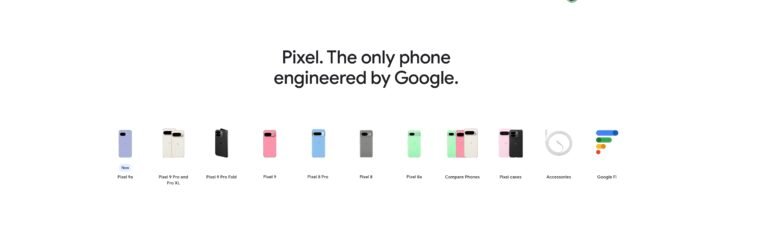

The Pixel 10 series brings bold upgrades in processing power, camera tech, and charging innovation. But how does Google’s Tensor G5 chip compare to the Snapdragon powerhouse in Samsung’s S25 Ultra? We break down the specs, performance, and real-world implications for discerning Android enthusiasts.
Explore the latest Google Pixel 10 flagship with Tensor G5, Qi2 magnetic charging, and cutting-edge cameras. Compare it with Samsung’s S25 Ultra Snapdragon variant in this in-depth analysis designed for tech insiders.
Google’s Pixel 10 series is gearing up for launch on August 20, 2025, and expectations are high. After several iterations focused on refining AI capabilities and computational photography, the Pixel line looks to make a significant leap with the new Tensor G5 chip, expanded camera hardware, and support for Qi2 magnetic wireless charging—a first in Android.
Meanwhile, Samsung’s Galaxy S25 Ultra, powered by the latest Snapdragon chipset, dominates the Android flagship landscape with raw performance, versatile cameras, and expansive displays. This sets the stage for a compelling rivalry: Tensor G5 vs Snapdragon S8 Gen 3. Which chipset and device combo will win the hearts of power users and mobile photographers?
Hardware Overview: Pixel 10 Series
Google offers several models in the Pixel 10 family:
- Pixel 10: 6.3-inch OLED, 128GB base storage, starting at $799
- Pixel 10 Pro XL: 6.8-inch LTPO OLED, up to 1TB storage, starting at $1,199
- Pixel 10 Pro Fold: Foldable variant with flagship specs, priced up to $1,799 and beyond
The devices feature:
- Tensor G5: Manufactured on TSMC’s 3nm process, delivering improved power efficiency and AI acceleration.
- Camera system: A triple-lens array on the base Pixel 10, with 48MP main sensor, 13MP ultra-wide, and a new telephoto lens. The Pro models push this further with enhanced zoom capabilities up to 100x Pro Res Zoom.
- Battery: Pixel 10 Pro XL boasts a 5,200mAh battery with 39W wired fast charging plus the new magnetic Qi2 wireless charging dubbed “PixelSnap.”
- Software: Ships with Android 16 featuring new AI-driven tools like “Speak-to-Tweak” for video editing and an enhanced Pixel Sense assistant.
Tensor G5 vs Snapdragon S8 Gen 3: Architecture and Performance
Architecture
Google’s Tensor G5 represents the latest iteration of its custom SoC designed with AI and ML at its core. Built on TSMC’s cutting-edge 3nm node, the G5 improves power efficiency and performance over the previous generation. The chip integrates:
- High-performance CPU cores tuned for multithreaded tasks.
- Advanced neural processing units (NPUs) for AI workloads, natural language processing, and on-device ML.
- Enhanced GPU designed to handle graphical and computational loads efficiently.
Samsung’s Galaxy S25 Ultra, on the other hand, is expected to feature Qualcomm’s Snapdragon 8 Gen 3 chip (or equivalent Exynos variants in some regions), which emphasizes raw computational power and gaming performance:
- More powerful CPU cores with higher clock speeds.
- Adreno GPU known for delivering top-tier gaming graphics.
- Advanced AI engine optimized for camera processing and system tasks.
Performance Benchmarks
Early leaks and tests show Snapdragon 8 Gen 3 pulling ahead in traditional CPU and GPU benchmarks, particularly in multi-core processing and graphics rendering. The Snapdragon’s superior clock speeds and architecture deliver more consistent frame rates in demanding games and benchmark tests.
Tensor G5, while lagging slightly in raw throughput, excels in AI-specific tasks, voice recognition, and personalized experiences. Its NPU provides optimized real-time language translation, smarter camera scene recognition, and on-device AI tasks with minimal latency.
Camera and Computational Photography
Google’s Pixel line is renowned for its computational photography. The Pixel 10’s camera improvements focus on:
- Higher-resolution sensors, including a 48MP main shooter with improved low-light capabilities.
- Introduction of a dedicated telephoto lens to rival Samsung’s zoom prowess.
- AI-powered features like real-time photo editing, enhanced portrait mode, and Pro Res Zoom up to 100x on the Pro models.
Samsung’s S25 Ultra offers:
- A more versatile camera system with a larger sensor array, including 200MP main sensor options rumored.
- Periscope telephoto lens with up to 100x “Space Zoom” capabilities.
- Advanced video modes with 8K recording and pro-grade manual controls.
While Samsung leads in hardware versatility and sheer sensor size, Pixel 10’s software-driven approach produces images with arguably better natural color rendering and computational clarity.
Battery and Charging Innovations
The Pixel 10 Pro XL’s 5,200mAh battery is competitive but slightly smaller than the rumored 5,600mAh battery in the Galaxy S25 Ultra. However, Google’s new Qi2 magnetic charging system—“PixelSnap”—is a notable innovation. Unlike traditional Qi charging that requires alignment, PixelSnap uses embedded magnets to secure the charger precisely without cases or accessories, promising faster, more reliable wireless charging.
Samsung continues with its proprietary MagSafe-style solutions but lags behind in adopting the new Qi2 standard, potentially giving Google an edge in wireless charging convenience and speed.
Software and Ecosystem
Pixel 10 launches with Android 16, showcasing tighter AI integration:
- Speak-to-Tweak: Voice-controlled video editing for quick content creation.
- Pixel Sense: A personalized assistant providing context-aware suggestions without cloud dependency.
Samsung’s One UI 7 on the S25 Ultra, based on Android 16, also integrates AI improvements but maintains its signature customization layers and feature-rich approach, including Dex desktop mode and enhanced multitasking.
Price and Market Positioning
The Pixel 10 targets a slightly more affordable flagship segment starting at $799 for the base model, while the Pro and Fold models climb higher to compete with premium offerings like the Galaxy S25 Ultra, which is priced starting around $1,199 for the base Ultra model.
Google’s value proposition leans on AI innovation, clean software, and camera excellence, whereas Samsung markets raw power, display technology, and hardware variety.
Conclusion: Which Should You Buy?
If you prioritize AI-enhanced software experiences, timely OS updates, and seamless Google integration, the Pixel 10 series is compelling. Tensor G5’s AI edge enables unique features unavailable on other devices.
Conversely, if you want the highest raw performance, best-in-class hardware, and a powerhouse for gaming or multitasking, the Galaxy S25 Ultra remains the flagship to beat.
Ultimately, Pixel 10’s success hinges on how well Tensor G5 delivers in real-world use and whether Google’s new features resonate with the growing demand for AI-first mobile computing.
A Look from ConDroid
Google’s Pixel 10 stakes a claim as the AI-centric flagship, carving a distinct niche from Samsung’s hardware dominance. The Tensor G5’s evolution signals a future where silicon is tailor-made for intelligence, not just speed. For tech enthusiasts, this generation will be a defining moment in Android’s AI arms race.